
ABEOKUTA—Ogun State Government has disclosed that it is developing a phased plan to integrate HIV, malaria and tuberculosis (TB) services into mainstream healthcare delivery by 2030, as shrinking international donor funding raises the need for sustainable, government-driven financing of public health programmes.
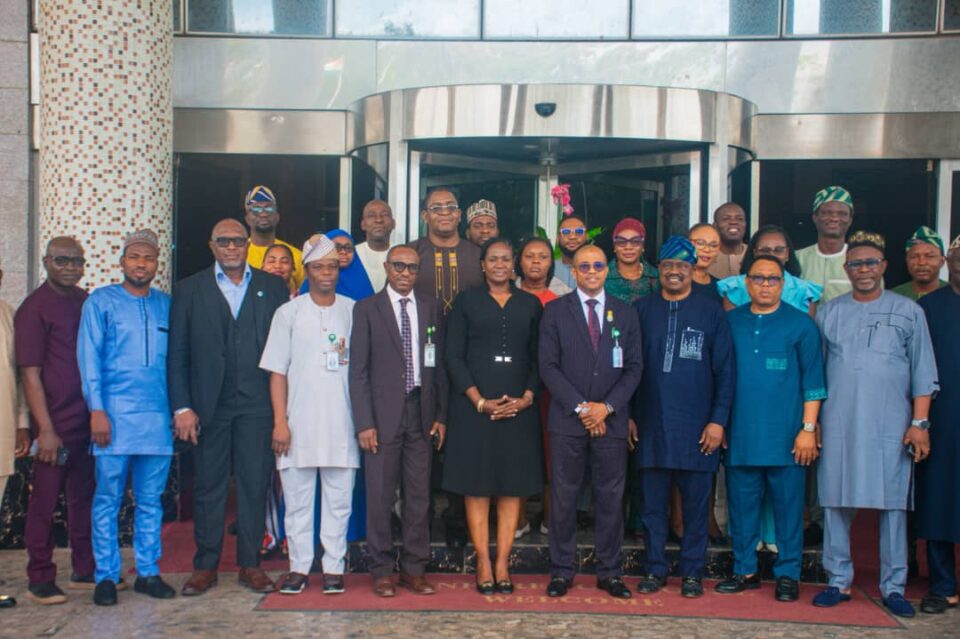
Commissioner for Health, Dr. Tomi Coker, made this known during a two-day sustainability performance scorecard review, joint planning and priority-setting meeting organised by APIN Public Health Initiatives in collaboration with the Ministry of Health and other health sector agencies, with stakeholders in attendance.
Coker said the state had spent the past 12 months examining how to transition from donor-dependent health interventions to a system in which government assumes greater responsibility for funding and delivering essential services, adding that the 2026 and 2027 budgets had the capacity to accommodate the financial requirements identified so far.
She said the government was putting together a task force to develop a roadmap for the transition, with particular attention to integrating health workers currently paid by development partners into the state’s healthcare system.
“We want to ensure that the transition is properly planned and phased, so that we can sustain these essential services without unnecessarily increasing government’s wage bill. Our goal is to have HIV, malaria and TB services fully integrated into mainstream healthcare delivery in Ogun State by 2030,” Coker said
According to her, the process would involve assessing existing workforce capacity, redeploying personnel where necessary and identifying the specific skills required before absorbing additional workers, to avoid unnecessarily increasing the government’s wage bill while ensuring that essential services are sustained.
The Commissioner expressed confidence that the transition would be manageable if implemented in phases, with the state working towards fully integrating HIV, malaria and TB services into mainstream healthcare delivery by 2030.
She identified health insurance as a critical component of sustainable healthcare financing, describing it as a reliable source of predictable funding that would enable the government to plan and allocate resources according to service needs, while urging residents to enrol in the state’s health insurance scheme at an annual premium of ₦12,000.
The Chief Operations Officer of APIN Public Health Initiatives, Mr. Niyi Olaofin, similarly said declining funding from international development partners had made it imperative for state governments to strengthen their health systems and prepare to assume greater responsibility for sustaining essential public health interventions.
Olaofin said APIN had established a dedicated Health Systems Strengthening Directorate to build the capacity of state health workers to deliver services currently supported directly by development partners, stressing that HIV care must be integrated into routine clinical services and could also be incorporated into state health insurance schemes to support continuity of treatment when external funding declines further.
The State Coordinator of the Network of People Living with HIV and AIDS in Nigeria (NEPWHAN), Mr. Tyoshom Manasseh, pledged the organisation’s support for Ogun State’s transition through community-led responses and local initiatives focused on HIV prevention, stigma reduction and treatment adherence.
